How Long Does Vestibular Physical Therapy Take for Dizziness and Vertigo?
If you have been searching for a straight answer about how long vestibular physical therapy takes, you have likely encountered vague timelines that do not fit your situation. That frustration is especially common when your symptoms involve dizziness, vertigo, or lingering effects from a concussion. General estimates simply do not apply here because vestibular conditions are not general injuries.
At Rebalance Physical Therapy in Greenville, SC, the focus is exclusively on the vestibular system. That specialization makes it possible to offer realistic, condition-specific timelines rather than one-size-fits-all guesses. The vestibular system is complex, involving your inner ear, eyes, and brain working together to maintain balance. Because of that complexity, accurate diagnosis is the essential first step toward an accurate recovery timeline.
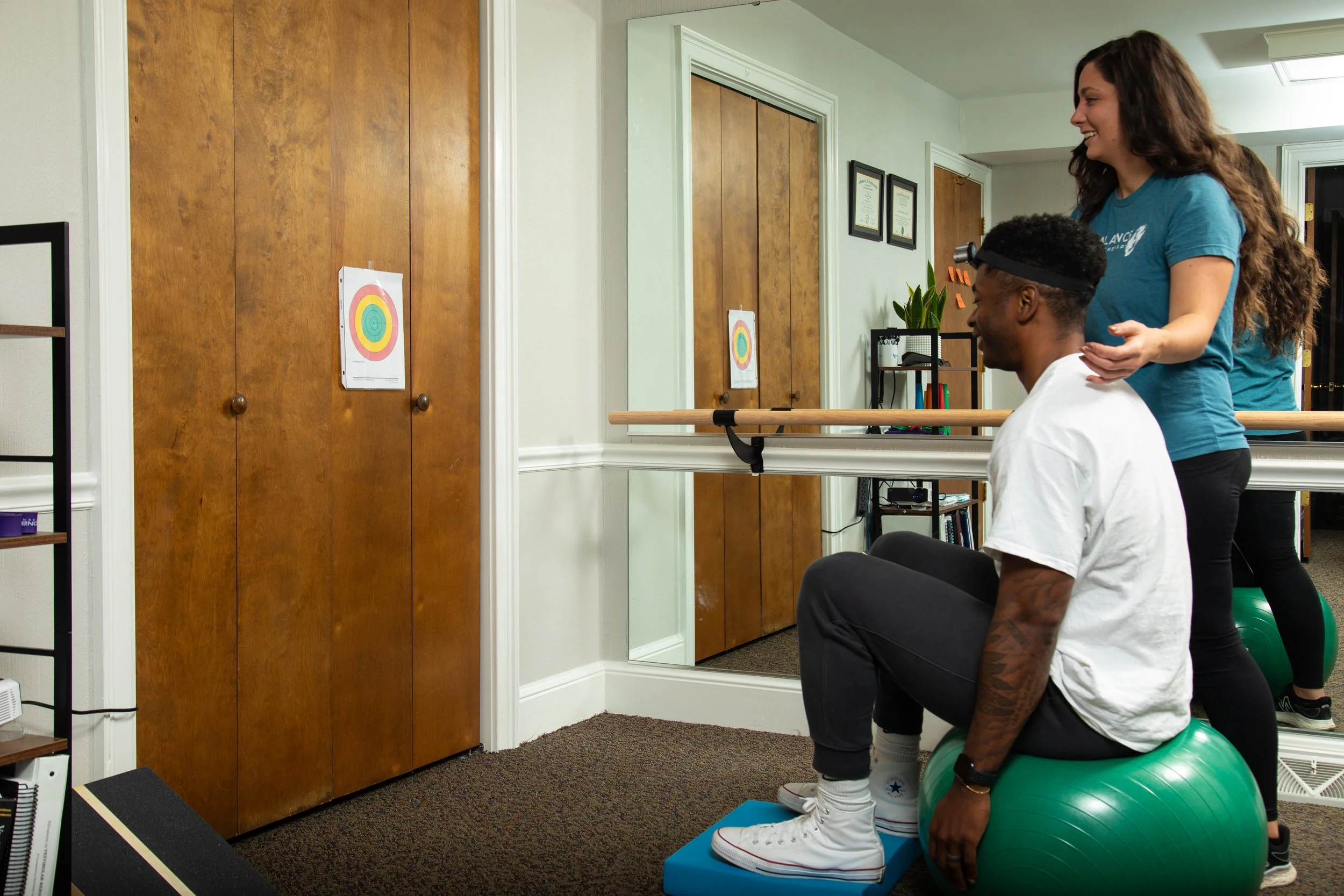
BPPV and Acute Vertigo: Faster Relief Than You Might Expect
Benign Paroxysmal Positional Vertigo (BPPV) is the most common cause of sudden spinning sensations, often triggered by rolling over in bed or looking up quickly. When it is identified and treated correctly, relief can come sooner than most people anticipate.
Many patients experience significant improvement in one to three visits
Diagnosis relies on precise positional testing, including the Dix-Hallpike Positional Test
The Vestibulo-Ocular Reflex (VOR) Testing and observation of involuntary eye movement help confirm the diagnosis
Treatment involves Canalith Repositioning maneuvers performed by a vestibular specialist
When BPPV is caught early and treated by a qualified specialist, the path to relief is often shorter than patients expect after weeks or months of unresolved spinning.
Concussion Recovery: A Predictable but Longer Path
Dizziness following a concussion, whether from a fall, a car accident, or a sports impact, tends to follow a longer but still structured recovery timeline.
Recovery often spans four to eight weeks, depending on symptom severity and how quickly care begins
VOR Testing and a Vestibular Balance Assessment are used to pinpoint visual and balance deficits from the start
Treatment typically includes Gaze Stabilization Training, Oculomotor and Visual Tracking Therapy, and Balance and Proprioception Training
A Concussion Vestibular Screening helps establish a clear baseline and guides the progression of care
Because progress is tracked consistently by the same specialist at every visit, there is no time lost restarting with a new provider. Learn more about available services on the Rebalance Physical Therapy Services page.
Chronic Dizziness and Vestibular Migraine: A Personalized Timeline
If you have been experiencing dizziness for months or years without a clear diagnosis, your case likely requires a more layered approach. Chronic presentations are common, and they are treatable.
Timelines for chronic dizziness, vestibular migraine, or persistent imbalance often range from eight to twelve weeks or longer
A thorough Vestibular Balance Assessment helps uncover contributing factors that previous providers may have missed
Treatment commonly combines Vestibular Habituation Exercises with Balance and Proprioception Training and Neuromuscular Re-Education
The Dynamic Visual Acuity Test and Functional Movement Assessment provide additional data to refine the treatment plan
Complex, overlapping symptoms require a plan built specifically for the individual, not a generic protocol applied across the board.
What Actually Speeds Up Recovery
Several factors influence how quickly symptoms improve, including overall health, how long dizziness has persisted, and consistency with home exercises. Beyond those variables, the structure of your care plays an equally important role.
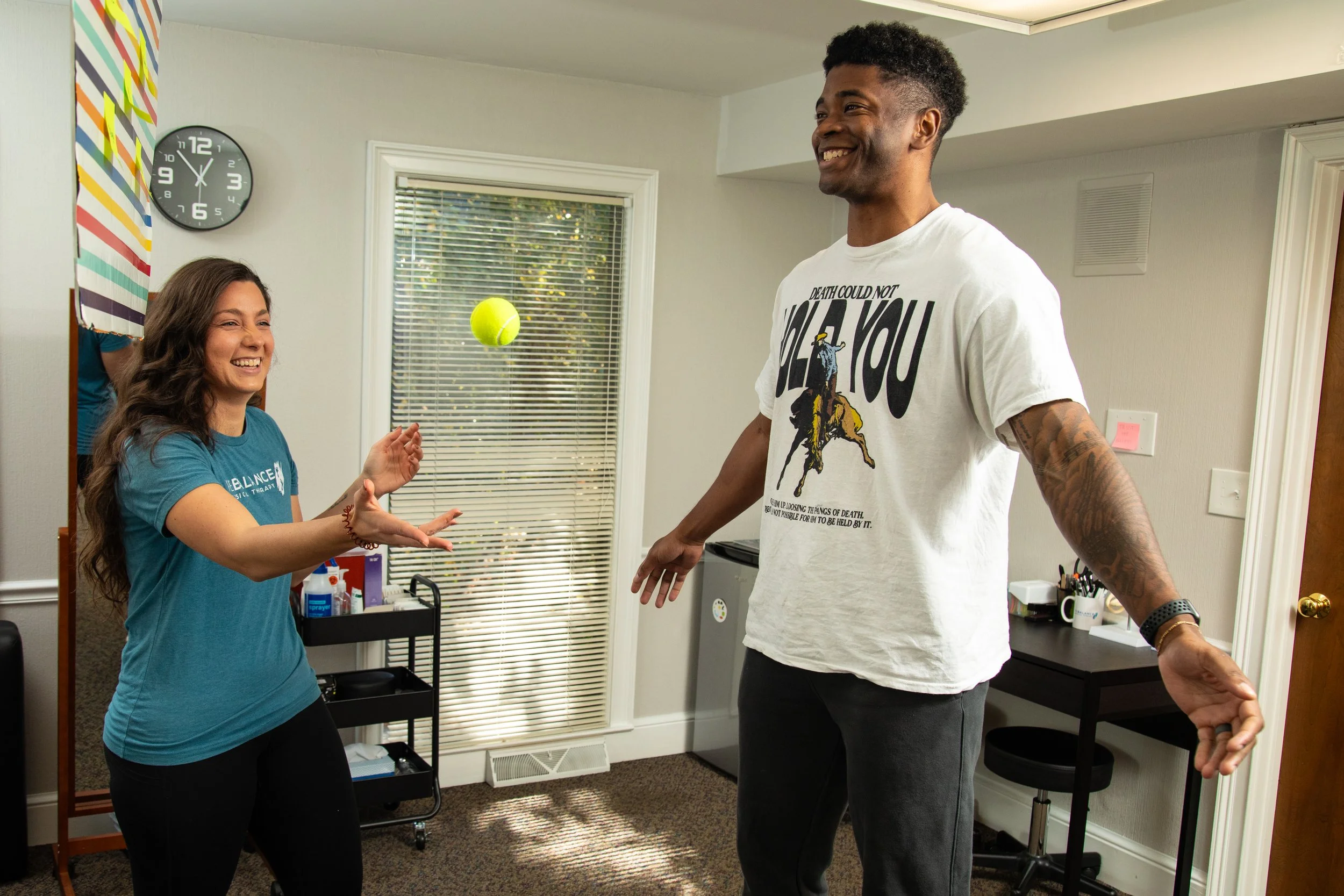
Specialist-level evaluation from the first visit reduces guesswork and shortens the diagnostic phase
A fully one-on-one treatment model means sessions are never rushed or divided between multiple patients
Advanced diagnostic tools, including VOR Testing and the Dix-Hallpike Positional Test, allow for precise, targeted treatment rather than trial and error
Addressing the full picture of contributing factors, including balance and proprioception deficits, helps resolve symptoms more completely
This approach is why many patients at Rebalance Physical Therapy see meaningful progress sooner than they expected after years of unclear answers elsewhere.
Your First Step Toward Lasting Balance
You do not have to keep guessing about what is causing your dizziness or how long recovery will take. A comprehensive evaluation that includes specialized testing such as the Dix-Hallpike Positional Test, VOR Testing, and a Vestibular Balance Assessment gives you a clear, personalized plan from day one.
If you are not ready to commit to a full evaluation, a free 15-minute discovery call is available to talk through your symptoms with a specialist. A free monthly balance screening is also held every first Wednesday of the month, with no appointment needed.
Reach out to Rebalance Physical Therapy in Greenville, SC to schedule your discovery call, or visit the Rebalance Physical Therapy home page to get started. For more helpful resources, browse the Rebalance Physical Therapy blog.