What to Expect During Your Vestibular Physical Therapy Evaluation in Greenville
If you have been dealing with persistent dizziness, vertigo, or balance problems, you already know how exhausting it can be to move from appointment to appointment without real answers. At Rebalance Physical Therapy, every step of the evaluation process is designed to uncover the root cause of what you are experiencing and give you a clear, actionable path forward.
This is not a general physical therapy clinic. The entire practice is built around vestibular rehabilitation, which means the tools, the testing, and the clinical expertise are all focused on one thing: helping you understand and resolve your symptoms.
Why a Specialized Vestibular Evaluation Is Different
A standard physical therapy intake is not designed to catch the subtle signs of vestibular dysfunction. The vestibular system is complex, and correctly identifying what is driving your dizziness or instability requires specialized training, dedicated diagnostic tools, and a clinician who understands the nuances of how the inner ear, eyes, and brain work together.
At Rebalance Physical Therapy, patients receive one-on-one care with the same specialist at every visit. The clinical team holds advanced certifications in vestibular rehabilitation and focuses exclusively on conditions such as BPPV, concussion, vestibular migraines, and balance disorders. Your evaluation is the foundation of everything that follows.
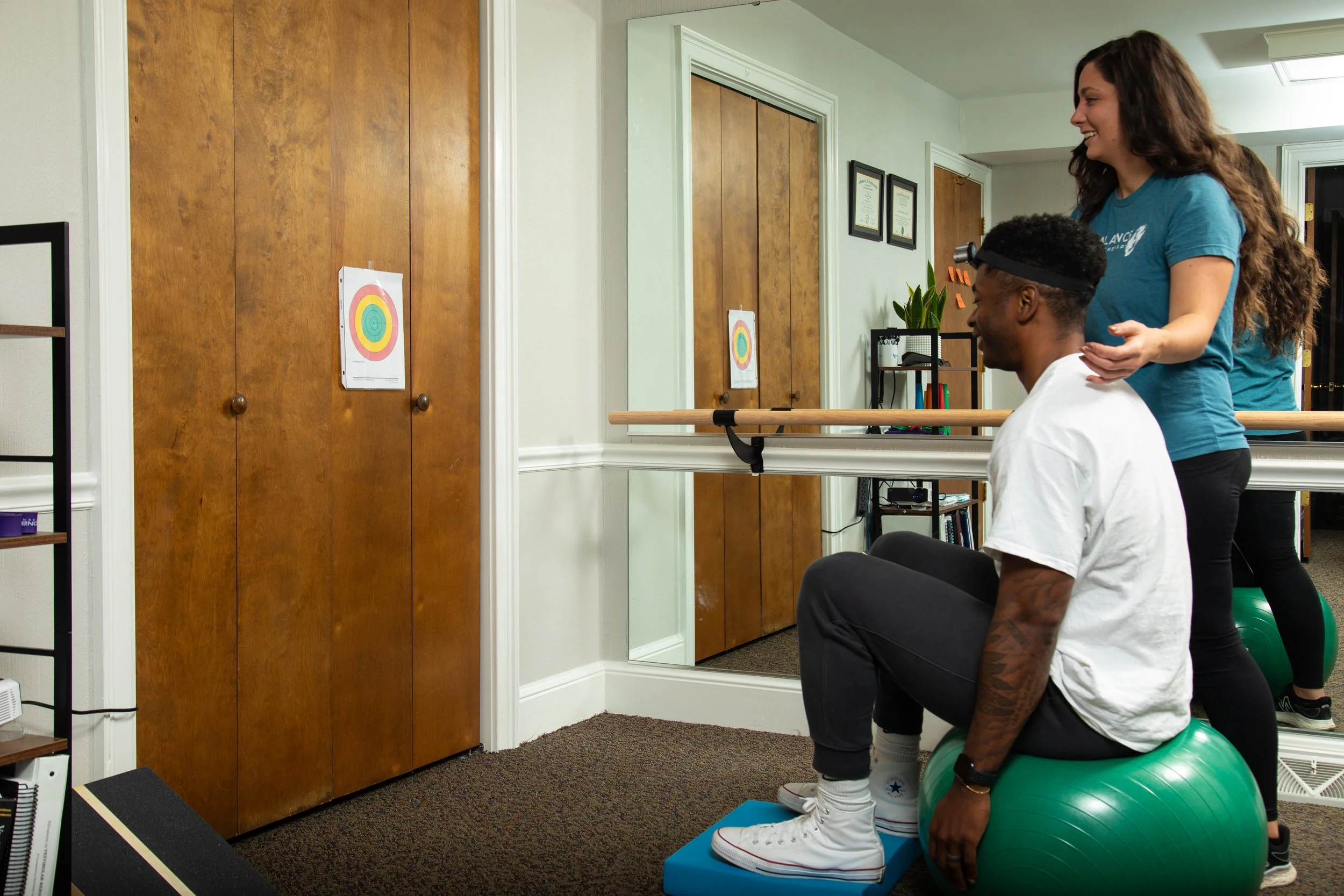
Your Evaluation: What Happens and Why
Step One: Your Story Matters
Before any testing begins, your specialist will take the time to listen. This intake conversation is not a formality. It shapes the entire direction of your evaluation and the treatment plan that follows.
Expect to discuss:
What triggers your dizziness or vertigo episodes
How long symptoms last and how frequently they occur
Which daily activities have become difficult, such as driving, grocery shopping, or exercise
Your medical history, past treatments, and any current medications
Your personal goals for recovery
Understanding your experience in full detail allows your clinician to prioritize the right diagnostic tests and avoid a one-size-fits-all approach.
Step Two: Advanced Diagnostic Testing
Once your history is established, the clinical assessment begins. Rebalance Physical Therapy uses targeted testing that goes well beyond what most general clinics offer.
Nystagmus Detection
Involuntary eye movements, known as nystagmus, are one of the most telling signs of vestibular dysfunction. Specialized infrared goggles allow your specialist to observe these movements objectively, even in complete darkness, providing precise diagnostic information that would otherwise be missed.
Oculomotor and Visual Tracking Assessment
Objective eye-tracking technology measures how your eyes move and respond during various tasks. This is particularly valuable for identifying oculomotor deficits related to concussion, visual vertigo, and vestibular hypofunction, and it generates quantifiable data to guide your personalized treatment plan.
Positional and Balance Testing
Your evaluation will also include a combination of targeted clinical assessments, including:
Dix-Hallpike Positional Test to identify BPPV and determine which canal is involved
Vestibulo-Ocular Reflex (VOR) Testing to assess how well your inner ear and eyes coordinate during head movement
Dynamic Visual Acuity Test to evaluate whether your vision remains stable when you move
Vestibular Balance Assessment to measure fall risk and how your body compensates for instability
Functional Movement Assessment to identify movement patterns that may be contributing to your symptoms
Step Three: Clear Answers and a Personalized Plan
After testing is complete, your specialist will walk you through the findings in plain language. If you have BPPV, you will understand which canal is affected and why that causes spinning. If your VOR is impaired, you will understand how that connects to your brain fog and unsteadiness.
From there, a treatment plan is built around your specific diagnosis. Depending on your condition, care may include:
Canalith Repositioning for BPPV
Gaze Stabilization Training to improve visual stability during movement
Vestibular Habituation Exercises to reduce sensitivity to motion
Oculomotor and Visual Tracking Therapy to address eye movement deficits
Neuromuscular Re-Education to restore coordination between the brain and body
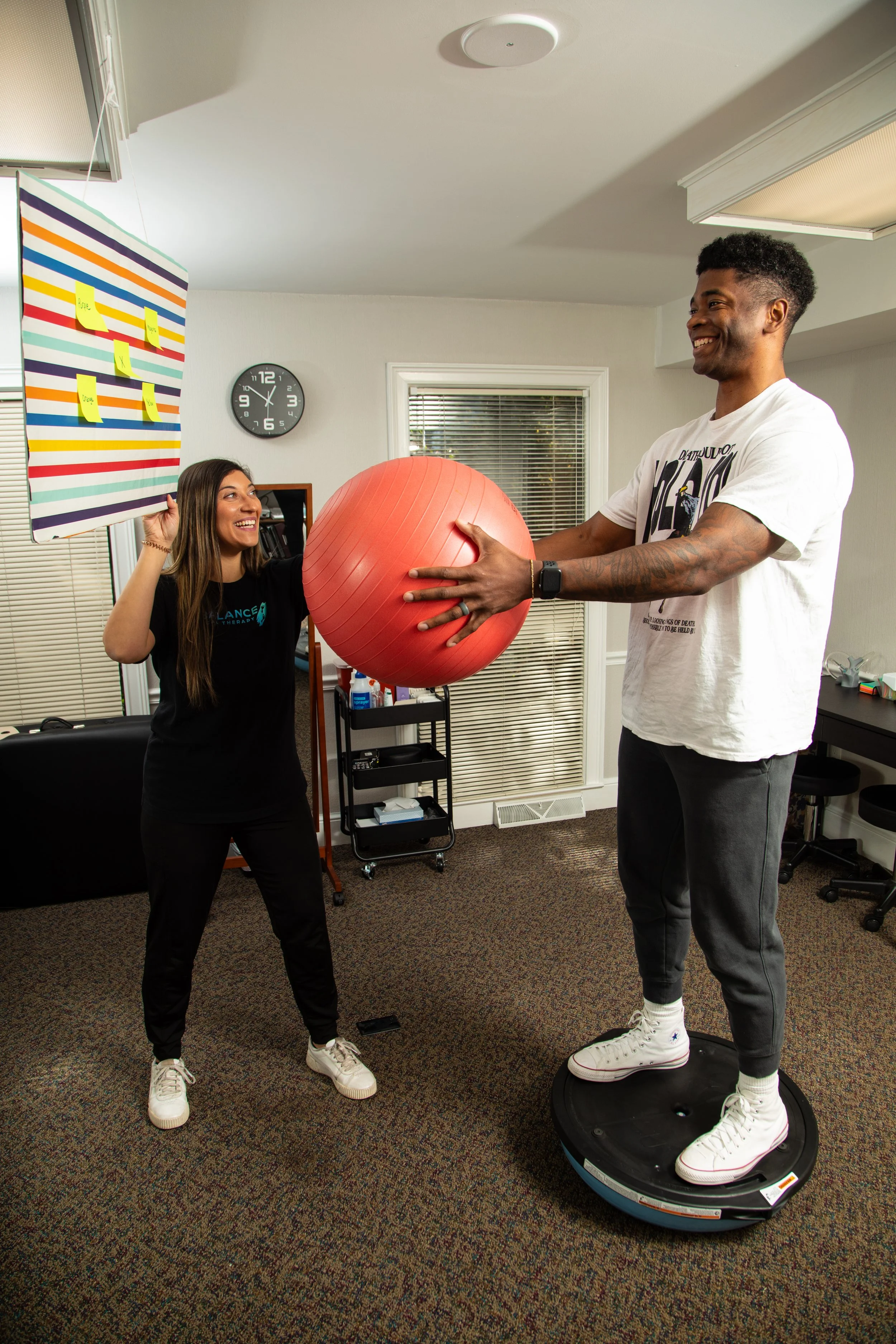
Balance and Proprioception Training to reduce fall risk and rebuild confidence
Every element of your plan is grounded in what your evaluation reveals, not a generic protocol.
Getting Started at Rebalance Physical Therapy
In South Carolina, Direct Access means you do not need a physician's referral to begin vestibular physical therapy in Greenville, SC. You can contact Rebalance Physical Therapy directly and schedule your evaluation without waiting for a referral.
If you are not yet ready to schedule a full evaluation, a free 15-minute discovery call is available so you can speak with a specialist and determine whether vestibular physical therapy is the right fit for your situation.
Chronic dizziness, vertigo, and balance issues affect your independence, your confidence, and your quality of life. You deserve clear answers from a specialist who takes your symptoms seriously. Contact Rebalance Physical Therapy to schedule your vestibular evaluation in Greenville, SC and take the first step toward getting back to the life you want.