
Summer Sports and Concussions: What Athletes Need to Know
Summer is a season packed with activity. Whether you're playing in a weekend soccer tournament, participating in summer baseball leagues, training for fall sports, mountain biking, or spending more time on the water, the increased activity can also increase the risk of concussion.
Because symptoms aren't always obvious and don't always appear immediately, athletes frequently continue participating when their brain needs rest and treatment.
Understanding the signs of concussion and knowing when to seek help can make a significant difference in recovery.
The First Line or Defense Doesn’t Mean the Only Line Of Defense
After a concussion, many athletes are sent for an MRI or CT scan to rule out serious conditions such as bleeding, stroke, or structural abnormalities. While these tests are important, a clear scan doesn't necessarily mean an athlete is ready to return to play.
Many symptoms that affect performance come from changes in how the brain, eyes, balance system, and neck work together—and these issues often do not show up on imaging.
In fact, a 2015 study published in the Journal of Pediatrics found that 81% of youth athletes with a concussion showed signs of vestibular dysfunction, including balance and eye-movement deficits. These athletes also took significantly longer to return to school and sport.
Because of this, a vestibular evaluation can be an important next step. It helps identify deficits in eye movements, balance, reaction time, and vestibular function—so athletes can return to the game not just cleared, but confident and performing at their best.
What Is a Concussion?
A concussion is a mild traumatic brain injury caused by a force that causes the brain to move within the skull. Contrary to popular belief, an athlete does not need to lose consciousness to sustain a concussion.
In fact, most concussions occur without a loss of consciousness.
Concussions can happen from:
Direct blows to the head
Falls
Collisions with another player
Impact during sports, cycling, or recreational activities
Even what seems like a minor hit can lead to symptoms that affect daily life, athletic performance, and overall well-being.
Signs and Symptoms of a Concussion
Concussion symptoms can vary significantly from person to person.
Some athletes experience symptoms immediately, while others notice them hours or even days later.
Physical Symptoms
Headache and/or dizziness
Balance problems
Nausea
Sensitivity to light and/or noise
Blurred or lagging vision
Eye strain or fatigue
Cognitive Symptoms
Brain fog
Difficulty concentrating
Memory problems
Trouble following conversations
Sleeping more or less than usual
Emotional Symptoms
Increased irritability
Anxiety
Mood changes
Feeling emotional without a clear reason
When Should an Athlete Be Evaluated?
Any athlete who experiences symptoms following a hit to the head or body should be evaluated by a healthcare professional that is familiar with concussion management.
Red flags that require immediate medical attention include:
Repeated vomiting
Worsening headache
Loss of consciousness
Slurred speech
Significant confusion
Weakness or numbness
Seizure activity
Even if symptoms seem mild, early evaluation is important because concussion symptoms can evolve over time.
Common Myths about Concussions
1. Going to practices are okay, but playing a game is not.
Athletes were once encouraged to "play through" concussion symptoms. We now know that returning too soon may prolong recovery and increase the risk of further injury.
Early evaluation and appropriate management often lead to a smoother return to sport.
2. Rest until the symptoms go away.
This is one of the biggest misconceptions.
While a short period of relative rest is important, getting back to sport safely means slowly rebuilding tolerance to movement, training, and competition.
The Role of Vestibular Physical Therapy
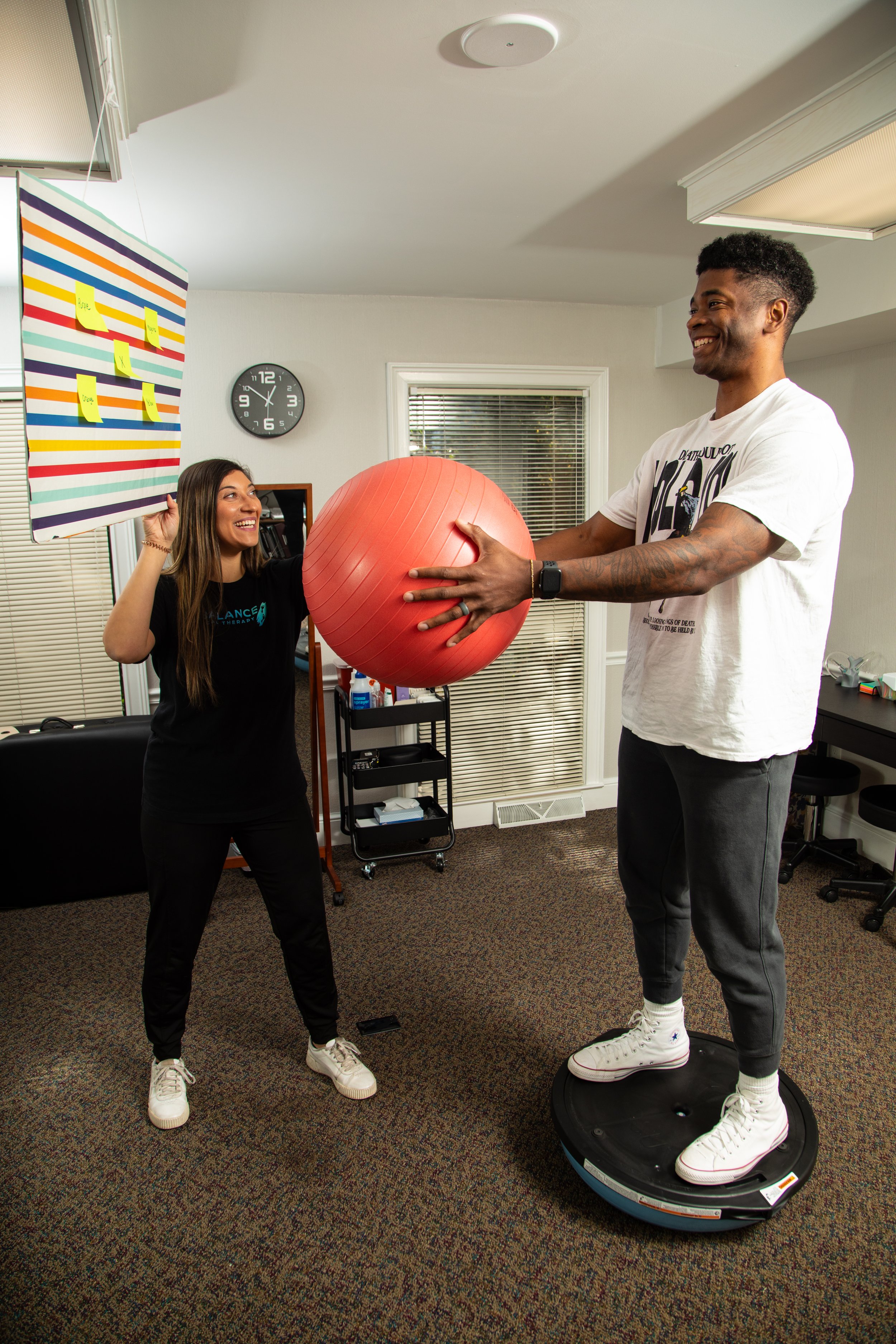
True concussion management often includes:
Balance training
Vision and eye movement exercises
Gradual cardiovascular activity
Cervical spine/muscle assessment and treatment
Cognitive rehabilitation strategies
Dry Needling
Treatment is designed to address the specific systems contributing to symptoms and help athletes safely return to sport, work, school, and daily activities.
Returning to Sports Safely
Summer is a time to enjoy sports, outdoor activities, and adventure. While concussions can be an unfortunate part of athletic participation, recognizing symptoms early and seeking appropriate care can significantly impact recovery.
If you or your athlete experiences dizziness, balance problems, motion sensitivity, vision issues, or persistent symptoms following a concussion, an evaluation can help identify the underlying factors contributing to recovery challenges.
The sooner the right systems are assessed, the sooner a targeted treatment plan can begin—helping athletes get back to doing what they love with confidence.
Ready to take the next step in your concussion recovery?
Book a FREE 15-Minute Phone Consultation with one of our Vestibular PT’s!